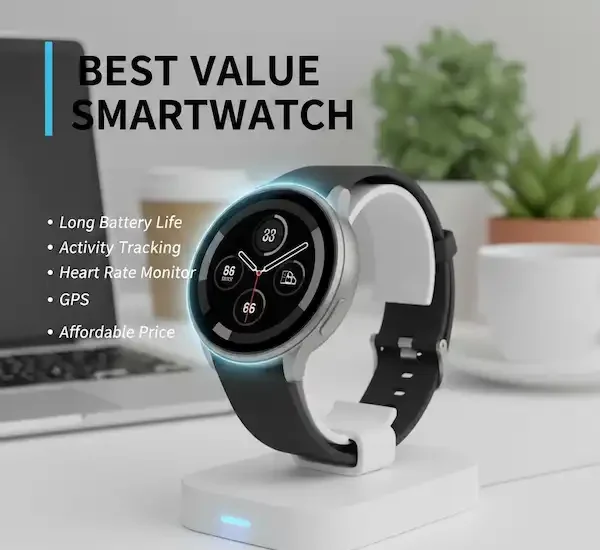
The Smartwatch Sweet Spot: Finding the Best Value Smartwatch for Your Wrist
Let’s be real, the smartwatch market can feel like a minefield. You’ve got your ultra-premium devices with price tags that make your eyes water, and then you’ve got the budget bin options that often feel more like a toy than a helpful tech companion. But what if you’re like me, someone who wants the utility, the style, and the smart features without having to sell a kidney? We’re talking about the best value smartwatch – that elusive device that hits the sweet spot between functionality, aesthetics, and, most importantly, your wallet.
I’ve been playing with smartwatches since the very early days, back when they were clunky, had terrible battery life, and basically just told you the time and buzzed you for notifications. My first foray was a Pebble, remember those? Loved the e-paper display, hated the lack of sophistication. Then came the Apple Watch, which, while revolutionary, always felt a bit… closed off for an Android user like me, and often carried a premium I couldn’t quite justify for what I needed. For years, I bounced between various Wear OS devices, some promising, others truly disappointing. It’s been a journey, and through all that trial and error, I’ve developed a pretty good sense of what truly makes a best value smartwatch stand out.
This isn’t about finding the cheapest smartwatch, nor is it about finding the most feature-packed one. It’s about finding that intelligent compromise, where you get genuine utility and a solid user experience without feeling ripped off. I’ve spent countless hours, not just reading spec sheets, but actually living with these devices – taking them on runs, tracking my sleep, receiving calls while walking the dog, and trying to pay for coffee with a flick of the wrist. That kind of real-world experience, I believe, is what truly uncovers a best value smartwatch.
So, let’s dive into my top five picks for the best value smartwatch, catering to both Android and iPhone users, because nobody should feel left out of the wrist-tech party.
What Defines a Best Value Smartwatch, Anyway?
Before we get to the specific models, it’s worth outlining my criteria for what makes a truly best value smartwatch. From an industry perspective, we’ve seen a maturation in the component supply chain. Screens are better, processors are more efficient, and sensors have become more accurate, even in mid-range devices. This trickling down of technology is fantastic for consumers looking for a best value smartwatch.
Here’s what I’m looking for:
- Platform Agnosticism (or excellent integration): Does it play nice with both Android and iOS, or if it’s platform-specific, does it do so flawlessly?
- Core Functionality: Reliable notifications, fitness tracking (steps, heart rate, sleep), and a decent array of basic smart features (timers, alarms, music control).
- Battery Life: This is a big one. I don’t want to charge my watch every single night. A couple of days is ideal; more is a bonus.
- Build Quality & Design: It doesn’t need to be titanium and sapphire, but it shouldn’t feel cheap or fall apart after a few months. A watch is a personal accessory, after all.
- Software Experience: Is it smooth, intuitive, and relatively bug-free? This is where many “value” watches often stumble.
- Price Point: Generally, I’m looking at devices in the sub-$300 range, sometimes stretching to $350 if the features truly warrant it. Anything significantly above that starts to push into premium territory, moving away from our “best value smartwatch” quest.
- Ecosystem & Support: Is the app store robust (if applicable)? Does the manufacturer offer decent support and software updates?
The Contenders: My Picks for the Best Value Smartwatch
1. Samsung Galaxy Watch 6 (Base Model)
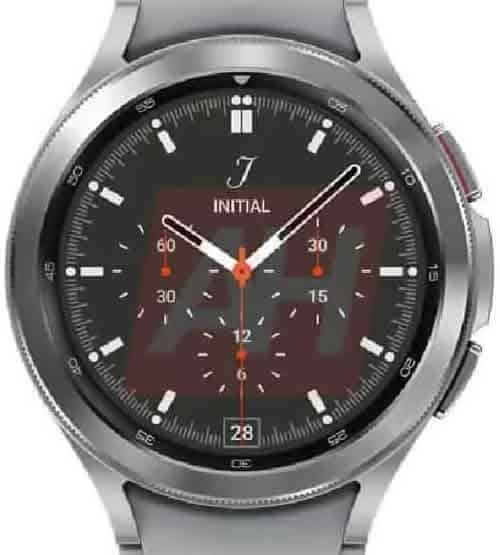
Why it’s a best value smartwatch: For Android users, the Galaxy Watch 6 is often the default choice, and for good reason. It offers a near-premium experience without the premium price tag of its “Pro” or “Classic” siblings. This watch really hits the mark as a best value smartwatch due to its comprehensive feature set and polished user experience.
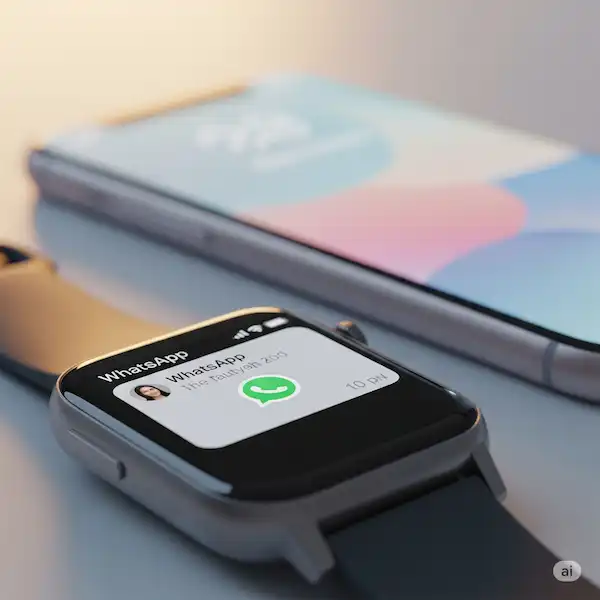
I recently spent a month with the 40mm Galaxy Watch 6, pairing it with my Pixel phone, and I was genuinely impressed. The Super AMOLED display is vibrant and bright, easily readable even in direct sunlight during my afternoon walks. Notifications were always reliable, and I loved being able to quick-reply to messages directly from my wrist. Fitness tracking is robust, offering everything from detailed sleep analysis to accurate heart rate monitoring during my runs. The body composition analysis, while not medical-grade, is a neat extra that provides some interesting data points.
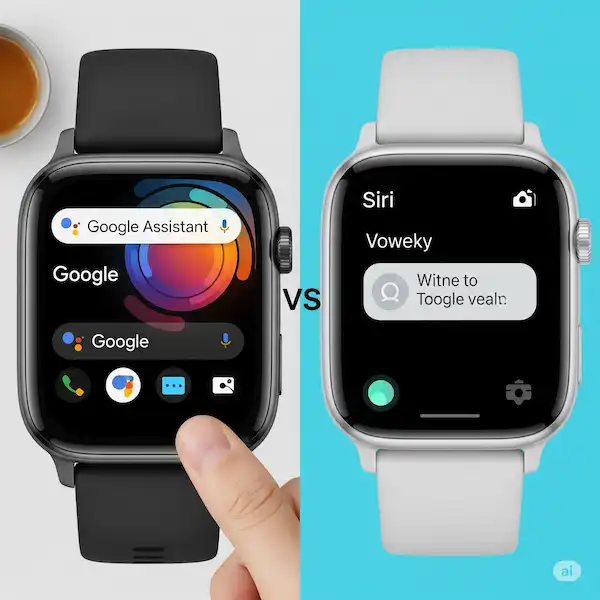
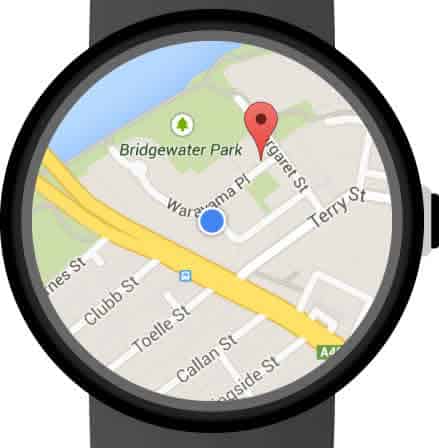
From an insider perspective, Samsung’s collaboration with Google on Wear OS has really paid off. The software is fluid, and the integration with Google services like Google Maps and Google Wallet is seamless. This tight integration is a key differentiator that elevates it above many competitors, solidifying its place as a best value smartwatch. The availability of a vast array of third-party apps through the Google Play Store on the watch is also a huge plus.
Pros:
- Gorgeous AMOLED display
- Smooth Wear OS experience with strong Google integration
- Comprehensive health and fitness tracking
- Good app ecosystem
- Stylish design with customizable watch faces
Cons:
- Battery life is decent (around 30 hours with AOD off) but not multi-day
- Charging is proprietary
- Best experience is with a Samsung phone (though still great with other Androids)
Who it’s for: Android users who want a feature-rich, polished smartwatch experience without breaking the bank. It’s truly a best value smartwatch for the Android ecosystem.
Link to learn more: Samsung Galaxy Watch 6
2. Apple Watch SE (2nd Gen)
Why it’s a best value smartwatch: For iPhone users, the Apple Watch SE is hands-down the best value smartwatch available. While it lacks some of the bells and whistles of the main series (like the always-on display or ECG), it delivers the core Apple Watch experience flawlessly.
I’ve had a few friends and family members pick up the SE, and the feedback is consistently positive. It’s got the snappy performance, the fantastic notification management, and the robust fitness tracking that Apple is known for. My sister, who’s an avid runner, raves about how seamlessly it tracks her workouts and integrates with Apple Fitness+. The fall detection and emergency SOS features, while hopefully never needed, provide a reassuring layer of safety that’s hard to put a price on.
Apple’s control over both the hardware and software stack means the SE runs incredibly smoothly. This optimization is what allows it to deliver such a premium feel at a more accessible price point, making it a stellar best value smartwatch for iPhone users. The App Store for watchOS is incredibly rich, meaning you’ll find an app for almost anything you need.
Pros:
- Seamless integration with iPhone
- Excellent performance and fluid UI
- Comprehensive fitness and health tracking
- Strong safety features (fall detection, emergency SOS)
- Access to a vast app ecosystem
Cons:
- No always-on display
- No ECG or blood oxygen monitoring
- Battery life is typically one day
- Only works with iPhone
Who it’s for: iPhone users who want the full Apple Watch experience without paying for the latest flagship model’s advanced health sensors. This is the definition of a best value smartwatch for the Apple ecosystem.
Link to learn more: Apple Watch SE
3. Fitbit Charge 6
Why it’s a best value smartwatch: Okay, so technically the Charge 6 is more of a “smart band” or “advanced fitness tracker” than a full-blown smartwatch, but its feature set and incredible integration with Google (thanks to the acquisition) make it a serious contender for the best value smartwatch, especially for those prioritizing fitness and battery life.
I’ve always had a soft spot for Fitbit’s simplicity and accuracy when it comes to activity tracking. The Charge 6 takes everything great about Fitbit and sprinkles in some genuinely useful smartwatch-like features. You get Google Maps turn-by-turn directions on your wrist, Google Wallet for contactless payments, and YouTube Music controls. The AMOLED display is surprisingly good for its size, and the physical button returns, which is a godsend for navigation when your hands are sweaty after a workout.
Where the Charge 6 truly shines as a best value smartwatch is its health tracking. It packs an ECG sensor, EDA (electrodermal activity) sensor for stress management, and continuous heart rate monitoring that’s impressively accurate. And the battery life? Up to 7 days! That’s a game-changer if you’re tired of daily charging. This blend of strong health features, essential smarts, and multi-day battery life makes it a compelling best value smartwatch.
Pros:
- Multi-day battery life (up to 7 days)
- Excellent and accurate health/fitness tracking (ECG, EDA, SpO2)
- Google Maps and Google Wallet integration
- Lightweight and comfortable design
- Works with both Android and iOS
Cons:
- Smaller display means less real estate for notifications
- Limited third-party apps compared to full smartwatches
- No microphone or speaker for calls
Who it’s for: Anyone prioritizing fitness tracking, long battery life, and essential smart features like payments and navigation, regardless of their phone’s operating system. It’s an excellent best value smartwatch for active users.
Link to learn more: Fitbit Charge 6
4. Garmin Venu Sq 2
Why it’s a best value smartwatch: Garmin is synonymous with serious sports tracking, and the Venu Sq 2 brings much of that expertise to a more lifestyle-oriented, affordable package. If you’re serious about your runs, swims, or cycling, but don’t want the bulk or price tag of a Fenix, this is an outstanding best value smartwatch.
My colleague, a marathon runner, swears by his Garmin Forerunner, but when he needed something a bit more stylish for everyday wear, he snagged a Venu Sq 2. He immediately loved the bright AMOLED display and, more importantly, the incredibly accurate GPS tracking. Garmin’s ecosystem for fitness data is second to none; their Connect app provides a wealth of metrics and insights that go far beyond basic step counting. The Body Battery energy monitor is particularly insightful, helping you understand when you’re recovered enough for another workout.
While it runs Garmin’s proprietary OS, it handles notifications well and includes Garmin Pay for contactless payments. The multi-day battery life (up to 11 days in smartwatch mode!) is also a huge selling point, setting it apart from many other “smartwatches” in this category. For a best value smartwatch that leans heavily into fitness, the Venu Sq 2 is a strong contender.
Pros:
- Exceptional multi-day battery life
- Highly accurate GPS and comprehensive sports tracking
- Bright and clear AMOLED display
- Garmin Pay for contactless payments
- Works with both Android and iOS
Cons:
- Proprietary OS means fewer third-party apps
- Design is a bit more sporty than elegant
- No speaker or microphone for calls
Who it’s for: Fitness enthusiasts who want detailed activity tracking, excellent GPS, and multi-day battery life in a smartwatch form factor, compatible with both Android and iOS. This is a top best value smartwatch for the active crowd.
Link to learn more: Garmin Venu Sq 2
5. Amazfit GTS 4 Mini
Why it’s a best value smartwatch: Amazfit often flies under the radar, but they consistently deliver impressive features at incredibly competitive price points, making them a consistent player in the best value smartwatch category. The GTS 4 Mini is a prime example of this philosophy.
I picked up an Amazfit GTS 4 Mini for my niece last Christmas, and she absolutely adores it. For its price, the features are surprisingly robust. It has a beautiful, vibrant AMOLED display that belies its budget-friendly cost. It tracks heart rate, SpO2, and sleep with decent accuracy, and offers a multitude of sports modes. The Zepp OS (Amazfit’s proprietary operating system) is simple, intuitive, and, crucially, very battery-efficient. We’re talking up to 15 days of typical use on a single charge! This kind of endurance is practically unheard of in a watch with an AMOLED screen.
While it won’t run Wear OS or watchOS apps, it handles notifications reliably and offers basic music control. For someone who wants a stylish, functional, and long-lasting smartwatch without breaking the bank, the GTS 4 Mini is a fantastic best value smartwatch. It connects well with both Android and iPhone, offering broad compatibility.
Pros:
- Incredible multi-week battery life
- Vibrant AMOLED display
- Lightweight and comfortable design
- Comprehensive health tracking (HR, SpO2, sleep)
- Very affordable
- Works with both Android and iOS
Cons:
- Limited smart features and no third-party app store
- Proprietary OS may feel basic to some
- No NFC for payments
Who it’s for: Budget-conscious buyers who prioritize style, long battery life, and essential health/fitness tracking. It’s a fantastic entry-level best value smartwatch.
Link to learn more: Amazfit GTS 4 Mini
A Quick Comparison Chart: Finding Your Best Value Smartwatch
To help you visualize the differences and find your perfect best value smartwatch, here’s a quick overview of the key specs:
| Feature | Samsung Galaxy Watch 6 | Apple Watch SE (2nd Gen) | Fitbit Charge 6 | Garmin Venu Sq 2 | Amazfit GTS 4 Mini |
| Display | AMOLED | OLED | AMOLED | AMOLED | AMOLED |
| OS | Wear OS powered by Samsung | watchOS | Fitbit OS | Garmin OS | Zepp OS |
| Battery Life | ~30 hrs | ~18 hrs | Up to 7 days | Up to 11 days | Up to 15 days |
| NFC Payments | Yes (Google Wallet) | Yes (Apple Pay) | Yes (Google Wallet) | Yes (Garmin Pay) | No |
| GPS | Built-in | Built-in | Built-in | Built-in | Built-in |
| Heart Rate | Yes | Yes | Yes | Yes | Yes |
| ECG | Yes | No | Yes | No | No |
| SpO2 | Yes | Yes | Yes | Yes | Yes |
| Compatibility | Android (best with Samsung) | iPhone only | Android & iOS | Android & iOS | Android & iOS |
| Voice Calls | Yes (speaker & mic) | Yes (speaker & mic) | No | No | No |
| Starting Price | ~$299 | ~$249 | ~$159 | ~$249 | ~$99 |
Understanding the Trade-offs: Insider Insights
When you’re hunting for a best value smartwatch, it’s all about understanding what you’re willing to compromise on. From a manufacturing and component standpoint, certain features inherently drive up the cost.
- Always-On Displays (AOD): While seemingly minor, a true AOD requires a more efficient display driver and often a slightly larger battery, which adds to the bill of materials. Many best value smartwatch options omit this to keep costs down and extend battery life.
- Cellular Connectivity (LTE): This is a huge cost driver, not just for the hardware (modem, antenna design) but also for the additional power consumption and the carrier plans. If you don’t need to make calls or stream music without your phone nearby, skipping LTE is an easy way to save money and battery.
- Advanced Health Sensors: Features like ECG (electrocardiogram) and comprehensive body composition analysis require specific, often medical-grade, sensors and algorithms. While some best value smartwatch options include them (like the Fitbit Charge 6 or Galaxy Watch 6), they typically come at a slightly higher price point or involve other trade-offs.
- Premium Materials: Sapphire glass, titanium cases, and intricate rotating bezels all add significant cost. Most best value smartwatch options opt for Gorilla Glass or tempered glass and aluminum or plastic cases, which are perfectly durable for most users.
- Third-Party App Ecosystem: This is a big one. Watches running Wear OS or watchOS have robust app stores, but this requires more powerful processors and more RAM, which pushes up the price. Proprietary operating systems (like those on Garmin, Fitbit, and Amazfit) are often simpler, more efficient, and contribute to longer battery life and lower costs, but at the expense of app flexibility.
My advice? Be brutally honest with yourself about what you actually need. Do you genuinely need to answer calls from your wrist, or is managing notifications enough? Will you use 50 third-party apps, or just a handful? For most people seeking a best value smartwatch, core functionality and solid fitness tracking are far more important than bleeding-edge tech they’ll rarely use.
The Future of the Best Value Smartwatch
The landscape of the best value smartwatch is only going to get more competitive, which is fantastic news for consumers. We’re seeing continued advancements in:
- Battery Technology: More efficient chipsets and improved battery chemistry will allow for longer battery life without sacrificing screen quality or processing power.
- Sensor Miniaturization and Accuracy: Expect even more precise health metrics, potentially including non-invasive blood glucose monitoring or advanced hydration tracking, to trickle down into more affordable devices.
- AI Integration: On-device AI could lead to more personalized fitness coaching and proactive health alerts without constant cloud connectivity.
- More Unified Ecosystems: With Google pushing Wear OS and its integration with Fitbit, we might see even more seamless experiences across different brands, offering a wider array of best value smartwatch options that work well with Android.
It’s an exciting time to be in the market for a best value smartwatch. The options are getting better, more affordable, and more intelligent every year.
Additional Thoughts
Finding the best value smartwatch isn’t about chasing the cheapest gadget; it’s about intelligent spending. It’s about recognizing that the market has matured to a point where you can get genuinely fantastic technology on your wrist without taking out a second mortgage. From the robust integration of the Galaxy Watch 6, the seamless Apple experience of the Watch SE, the fitness prowess of the Fitbit Charge 6 and Garmin Venu Sq 2, to the incredible battery life of the Amazfit GTS 4 Mini, there’s a best value smartwatch out there for almost everyone.
My personal preference often leans towards devices that offer a good balance of smarts and battery life, and that play nicely across platforms. But ultimately, the “best” one is the one that fits your lifestyle, your needs, and your budget perfectly. Do your research, consider what truly matters to you, and you’ll find that sweet spot that makes wearing a best value smartwatch a truly enjoyable experience.
Frequently Asked Questions (FAQ) about the Best Value Smartwatch
Q: Can a best value smartwatch really replace a dedicated fitness tracker?
A: Absolutely! Many of the best value smartwatch options, especially those from Fitbit and Garmin, offer incredibly robust and accurate fitness tracking that rivals or even surpasses dedicated trackers. They often add the benefit of a larger screen, more advanced notifications, and sometimes even contactless payments. It depends on your specific fitness needs, but for most, a best value smartwatch can easily pull double duty.
Q: Do I need an LTE/cellular version of a best value smartwatch?
A: For most users, no. An LTE version of a best value smartwatch adds significant cost (both upfront and monthly for a data plan) and reduces battery life. It’s primarily useful if you want to leave your phone at home and still receive calls, texts, or stream music during a workout. If your phone is usually with you, the Bluetooth-only model is almost always the best value smartwatch option.
Q: Are the health sensors on a best value smartwatch accurate enough for medical purposes?
A: While increasingly accurate, the health sensors (like heart rate, SpO2, and even ECG) on consumer smartwatches are generally not medical devices and should not be used for diagnosis or treatment. They are designed for general wellness and fitness purposes. Always consult a healthcare professional for medical concerns. Some watches have received FDA clearance for specific functions (like ECG for AFib detection), but they are still not a substitute for professional medical advice or equipment.
Q: Will a best value smartwatch work with my old phone?
A: Most smartwatches require a relatively modern smartphone (usually Android 8.0+ or iOS 15+). Always check the specific compatibility requirements for the best value smartwatch you’re interested in before purchasing. Generally, the newer the phone, the smoother the experience.
Q: How long should I expect a best value smartwatch to last?
A: With proper care, a best value smartwatch should comfortably last 2-3 years. Battery degradation is usually the first noticeable issue, but software updates and general wear and tear also contribute. Beyond that, you might find yourself wanting newer features or improved performance. Many manufacturers offer trade-in programs, which can make upgrading to a new best value smartwatch more affordable.
Q: Can I use a best value smartwatch to make contactless payments?
A: Many best value smartwatch models do support contactless payments via NFC (Near Field Communication). Look for watches with Google Wallet (Android and some cross-platform), Apple Pay (iPhone only), Garmin Pay, or similar proprietary payment systems. This is a super convenient feature and a big plus for a best value smartwatch.
Q: What about software updates for a best value smartwatch?
A: This is an important consideration. Reputable brands like Samsung, Apple, Fitbit, and Garmin generally provide consistent software updates that add features, improve performance, and fix bugs. Lesser-known or ultra-budget brands might have less consistent update schedules. Consistent updates ensure your best value smartwatch remains relevant and secure.
Additional Helpful Information
Best smartwatches for Android – Best Smartwatches for Android: Top Picks & Comparison